

What is proteinuria?
Along with fats and sugars, proteins form the major building blocks for our bodies. The right amount of protein is important in our diets, for growth and repair.
Protein is present in the blood; healthy kidneys should only filter tiny amounts into the urine as most protein molecules are too large for the filters. It is not usual to lose protein to the urine. When this does happen it is known as ‘proteinuria’.
Several proteins can be found in the urine, but the most relevant to kidney disease is albumin. Protein in the urine is not usually obvious, but can be detected by a simple dip- stick test, or sometimes by more sensitive lab tests
The presence of protein in the urine can sometimes be a sign of kidney disease, as well as other health problems.
Proteinuria causes
- Diseases of the glomeruli (the kidney’s filtering units), for example glomerulonephritis or diabetes.
- Urine infection can cause proteinuria, but usually there are other signs of this such as a urinary tract infections.
- Proteinuria can be a symptom of some other conditions and diseases: for example: congestive heart failure, a first warning of eclampsia in pregnancy.
- Sometimes a positive dipstick for protein isn’t abnormal, for example concentrated samples first thing in the morning, or if you have become dehydrated or haven’t drunk much.
- Temporary proteinuria may occur after vigorous exercise or if you have a high fever.
- Sometimes, almost always in children, proteinuria can be detected later in the day, but not in the morning. This is known as orthostatic proteinuria and it is usually harmless.
Proteinuria symptoms
Usually there are no symptoms for proteinuria.
If the protein loss is heavy, urine can have a frothy appearance, and would most likely be associated with other symptoms e.g. oedema, where there is an excess of water in the body tissues.
Proteinuria diagnosis
Prolonged proteinuria can mean there is something wrong with the kidney. Some warning signals make it more likely to be an important kidney problem:
- Large amounts of protein in the urine.
- Positive tests for blood in the urine
- Abnormal kidney tests (creatinine or eGFR)
- High blood pressure
- You are young
If none of the above warning signals are present, it is often best to keep an eye on the kidney tests, urine tests and blood pressure occasionally to make sure that nothing develops. Usually these checks can be done at your GP surgery.
Resources about proteinuria
Don’t hesitate to speak to your GP if you have any concerns about proteinuria.
Proteinuria from the EDREN website.
Reviewed April 2019
Testing for proteinuria
A urine albumin creatinine ratio (UACR) test is a test for looking into your kidney health. It measures the amount of protein in your urine, an early sign of kidney damage.
It is vital for those at risk of heart disease, diabetes, raised blood pressure and if you have a family history of kidney disease.
Watch this video from Dr Kevin Fernando explaining the importance of a UACR test for monitoring kidney health.
Read our latest research news


Could understanding blood pressure changes during sleep in kidney patients be key to protecting heart and vessel health?


New results suggest that bladder cancer could be caused by the body’s response to common childhood virus

SMC approval of mercaptamine offers new hope and choice for people living with cystinosis in Scotland



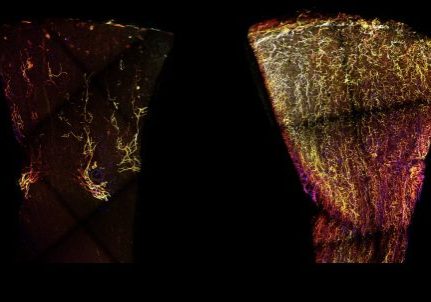




Research looking at repurposing drugs to treat polycystic kidney disease shows promising new results

Personalising treatments for focal and segmental glomerulosclerosis patients receiving a kidney transplant




Our life-saving research is only possible with your support.
Save lives.