
What is a urinary tract infection (UTI)?
The urinary tract is the body’s drainage system for removing urine, which flows from the kidneys, through the ureters to the bladder, and then out of the body through the urethra.
Urinary tract infections (UTIs) can occur at any point along the tract – including the bladder (cystitis), urethra (urethritis) or kidneys (pyelonephritis) – however, most infections involve the bladder and the urethra, known as lower UTIs.
Causes of urinary tract infections (UTI)
UTIs are usually caused by bacteria from faeces in your gut (e.g. E. coli) colonising the skin around the opening of your urethra (the tube that carries urine out of your body) and then entering the urinary tract.
Anyone can get a UTI at any age but women are more prone to getting them because they have a shorter urethra than men, making it easier for bacteria to reach the bladder or kidneys and cause an infection. It is estimated that around half of all women in the UK have had a UTI.
UTI is very uncommon in healthy young and middle-aged men, and rarely develops in men under 50 years of age.
Older people are more susceptible to UTIs due to a weaker flow of urine, meaning the bladder doesn't fully empty.
Risk factors of urinary tract infections (UTI)
Your risk of getting a UTI increases if you:
- are pregnant
- have sex and use products containing spermicide
- have a urinary catheter (a tube in your bladder used to drain urine)
- have a family history of UTIs
- have a condition that makes it difficult to fully empty your bladder – such as an enlarged prostate gland in men and constipation in children
- being peri or post menopausal
- have a condition that blocks your urinary tract – such as kidney stones
- have vesicoureteric reflux – when the bladder contracts, allowing some urine back into the ureters rather than being sent down the urethra
- have certain kidney conditions such as polycystic kidney disease.
Duration of urinary tract infections (UTI)
Symptoms can feel uncomfortable and painful, mild UTIs (such as mild cases of cystitis) usually clear up within a few days and rarely cause long-term damage.
However, some severe forms of UTIs can lead to kidney infections, where the infection travels up the urinary tract into the kidneys. In very rare cases this type of infection can cause permanent kidney scars, which in turn can lead to kidney disease.
Kidney scars can sometimes be present from birth, and can make a person more susceptible to UTIs so sometimes it can be difficult to tell if a UTI has helped to cause kidney disease or whether it is a complication of the disease.
Urinary tract infections (UTI) symptoms
Symptoms of a UTI include:
- pain and/or a burning feeling on passing urine (some describe it as a sharp stinging feeling)
- having a sudden urge to pass urine
- feeling the need to pass urine more often
- feeling that the bladder has not been emptied
- foul smelling or cloudy urine
- pain in the lower part of the abdomen (below the belly button)
- possibly noticing blood in your urine (link to ‘blood in urine’ page in ‘about kidney disease’ section)
- (in severe cases) fever, feeling generally unwell, muscle aches, and shivering
- some elderly people may experience confusion and agitation
- children may wet themselves or wet the bed and try to avoid passing urine because of the burning sensation.
Urinary tract infection (UTI) treatment
Mild UTIs can often clear up on their own, especially if you drink lots of fluids to help flush bacteria out. Paracetamol can help to relieve pain. Anti-inflammatory drugs (e.g. Ibuprofen, Naproxen, Diclofenac) can help with symptoms but should be avoided by anyone with pre-existing kidney problems; they may increase the risk that the infection will spread to the kidneys.
If symptoms are severe or worsening, there’s if there is no improvement after a couple of days, or if someone has UTI symptoms for the first time, or is pregnant, or is male, if any of the symptoms above are occurring in babies or children, or if someone is concerned, then medical advice should be sought.
A pharmacist can advise on suitable painkillers and over the counter treatments that might help to ease symptoms, such as potassium citrate. The pharmacist can also advise if medical advice is needed.
See your GP if:
- your symptoms have lasted for over five days or suddenly get worse
- you are pregnant or have diabetes
- you develop a high temperature
- you are a man and you think you have a UTI
- you have a child with symptoms of a UTI
- you keep getting UTIs.
A GP may recommend a short course of antibiotics. Most women are given a 3-day course, whilst men, pregnant women, and people with more serious symptoms may need a slightly longer course. Further tests may be needed if you have frequent urinary infections or if you also have high blood pressure, other abnormalities in the urine or are pregnant.
View our How to get rid of a UTI page.
How to prevent a urinary tract infection (UTI)
Top tips to try and prevent a UTI include:
- drinking plenty of water
- peeing often and not holding it in
- keeping the genital area clean and wiping from front to back
- avoiding scented soap and tight synthetic underwear such as nylon
- emptying the bladder before and after sex.
- Vaginal estrogen creams in post-menopausal women can be helpful – ask your GP about this.
Reviewed June 2024

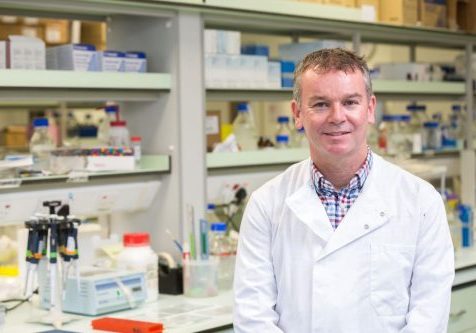
"This work could have huge benefits not only for kidney transplant patients but for those affected by kidney disease more broadly.”
Dr Stephen Kelly
Researcher spotlight
Dr Stephen Kelly from Queen’s University Belfast has received a PhD studentship to look at new ways of identifying urinary tract infections in kidney transplant patients and predicting which antibiotics will be most effective.
This work has the potential to enable early, accurate diagnosis of UTIs and support prompt and effective treatment selection.
Our kidney research
Our research grants enable cutting edge research into all aspects of kidney disease

Could understanding blood pressure changes during sleep in kidney patients be key to protecting heart and vessel health?

New results suggest that bladder cancer could be caused by the body’s response to common childhood virus
SMC approval of mercaptamine offers new hope and choice for people living with cystinosis in Scotland






Research looking at repurposing drugs to treat polycystic kidney disease shows promising new results

Personalising treatments for focal and segmental glomerulosclerosis patients receiving a kidney transplant


Our life-saving research is only possible with your support.
Make a donation today and help transform treatments.