
- All
- Acute kidney injury
- aHUS
- Alport syndrome
- Anaemia
- Andy Cole Fund
- BK virus
- Blog
- Blood pressure
- Calciphylaxis
- Cancer
- Case study
- Chronic kidney disease
- CMV
- Collaboration and partnerships
- Coronavirus
- Corporate partnership
- cystinosis
- Cystinuria
- Diabetes
- Dialysis
- Focal segmental glomerulosclerosis
- Fundraising
- Health Equalities
- Heart disease
- HUS
- Idiopathic nephrotic syndrome
- IgA nephropathy
- Kidney health
- Kidney stones
- Lupus
- Mental health
- Nephrotic syndrome
- NURTuRE
- Paediatric
- Patient Stories
- Podcast
- Policy
- Polycystic kidney disease
- Research
- Transplantation
- Uncategorised
- Volunteering

New insight into the experiences of older kidney transplant patients
Recent results published in Kidney International reports, led by Professor Edwina Brown and Dr Michelle Willicombe from Imperial College London, supported by a Kidney Research UK-Stoneygate research project grant, provide important insights into the experiences of older patients receiving a kidney transplant. More older adults are receiving kidney transplants The number of older people receiving a kidney transplant is increasing. Around 9,500 patients who were 65 and over received a kidney transplant in 2019 compared to around 10,600 in 2023. Frailty is more common in older…
Could understanding blood pressure changes during sleep in kidney patients be key to protecting heart and vessel health?
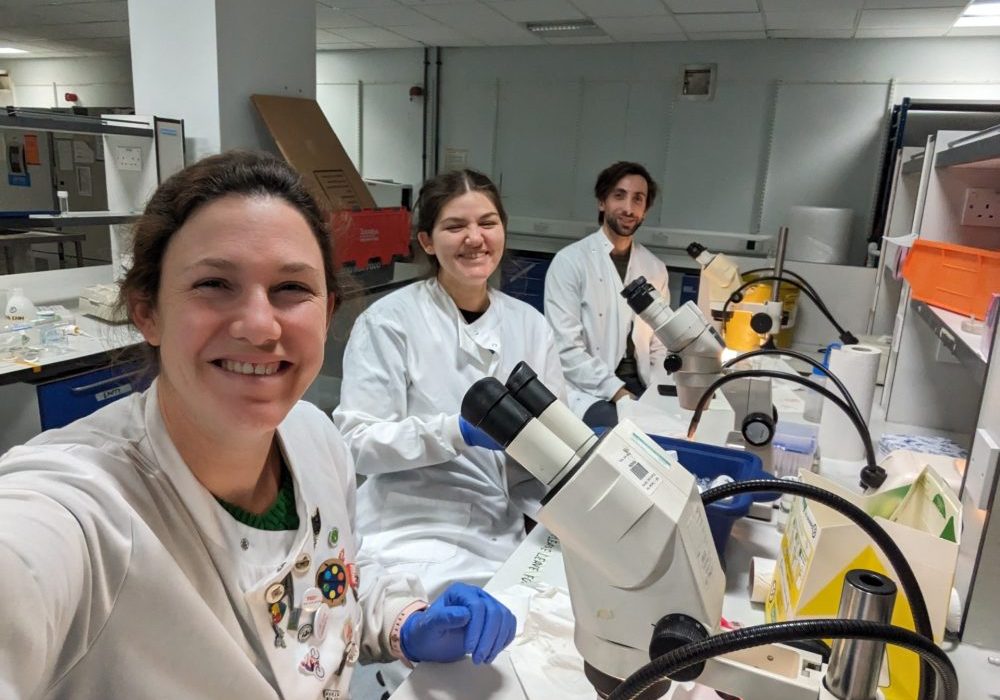
In a study published in Cardiovascular Research, Dr Jess Ivy and the team at the University of Edinburgh, with funding from Kidney Research UK, have shown that studying changes in small blood vessels in the kidney in models during sleep could improve our understanding of heart and vessel health in kidney disease patients. Jess Ivy, Georgios Krilis and Anastasiia Komolova in the lab How does blood pressure change during sleep? Usually, blood pressure is lower when…
Remembering Elvis-obsessed dad who died last Christmas
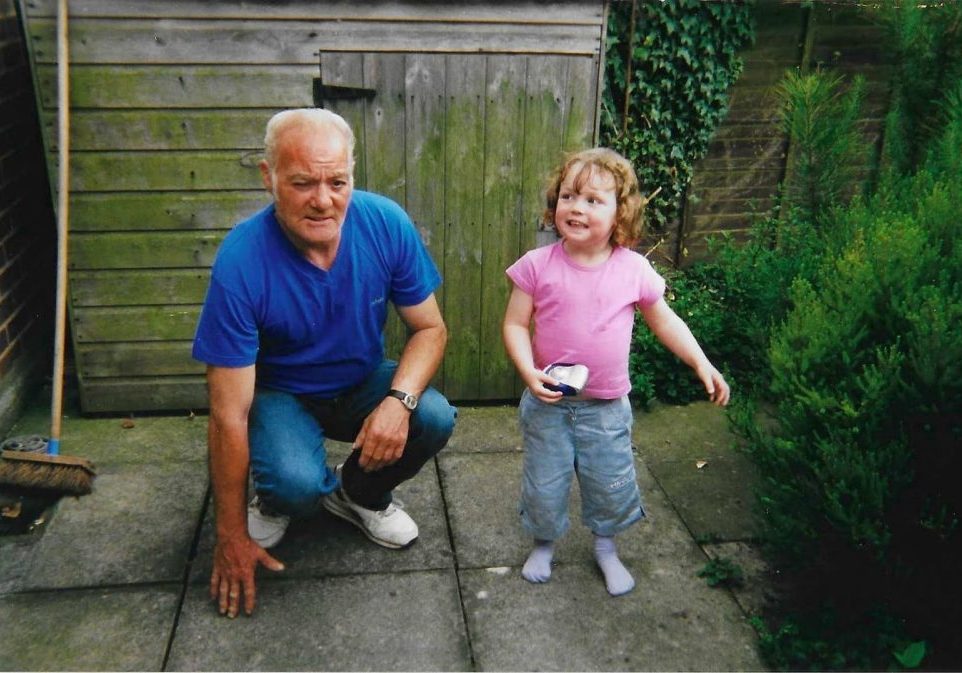
A family from Telford will spend Christmas without their beloved dad, grandad and husband, who was affectionately known as ‘Elvis’ because of his love of ‘The King of rock ‘n’ roll’. Elvis – real name Roy Owen-Jones – was 82 years old when he passed away on 29 December 2024 after a blockage in his kidney. His son, Darren, said: “It will be strange this Christmas without him. All of the big occasions without him for the…

Kidney transplanted using world-first technique still going strong after 15 years
A woman from Lincoln has been reunited with the surgeon who performed a first-of-its-kind kidney transplant 15 years ago. In 2010, Deborah Bakewell, 70, became the first person in the world to be given a kidney using a technique called normothermic machine perfusion. This pioneering technique was developed by Professor Mike Nicholson, who was also…
New blood marker can predict individuals most at risk of kidney failure
In a study published recently in Nature Communications, Dr Laura Denby and collaborators at the University of Edinburgh and Queen’s University Belfast, with funding from Kidney Research UK, have discovered a new biomarker in the blood for chronic kidney disease (CKD). This marker identified patients at a higher risk of faster chronic kidney disease progression, which in the future could be used to inform earlier interventions to help protect kidney health. What are the tests for kidney function? CKD is usually diagnosed with a blood test, to measure the level…
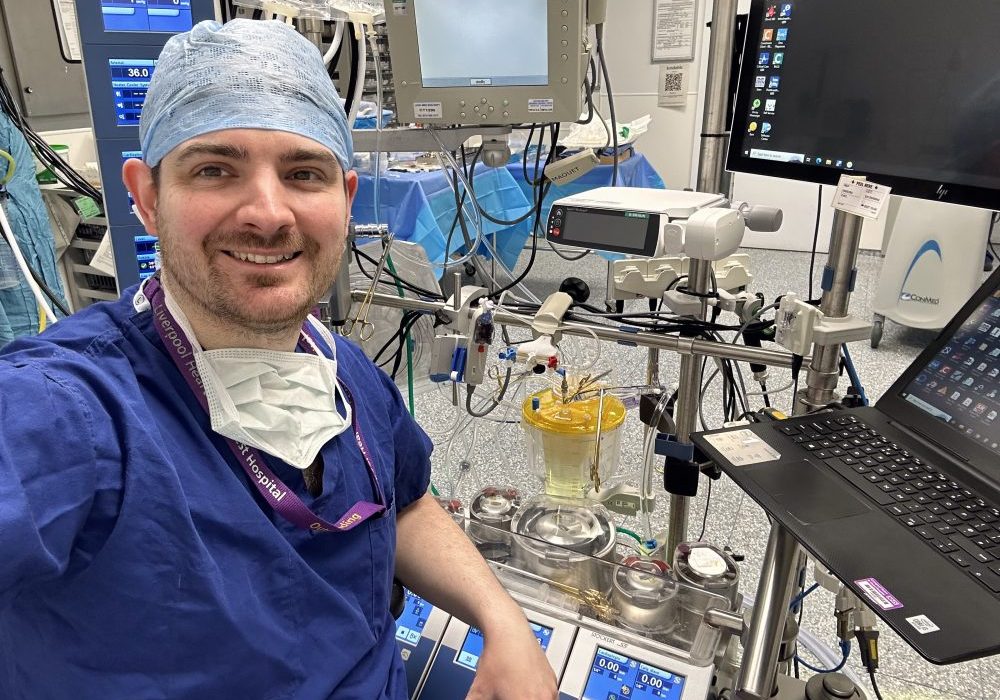
Looking back at 2025: research highlights
As 2025 draws to a close, we reflect on a year filled with promising new grants and exciting research findings. Here we share some of our research highlights from the year. These successes would not have been possible without our amazing supporters and researchers, so thank you for making it happen. We look forward to another year of driving discoveries and making them count to improve the…
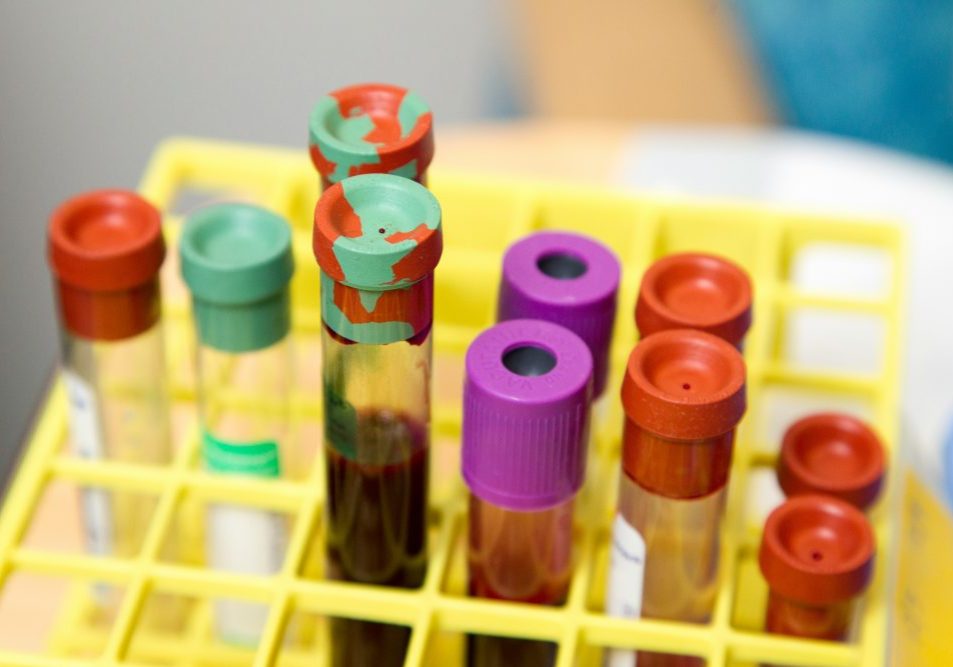
Could a new blood test identify rare blood cancer sooner in people with kidney transplants?
How do rare blood cancers develop after transplant? The immune system has an important role not only in helping fight infection, but also in protecting the body against cancer. However, in kidney transplant recipients the immune system functions less well owing to the treatments that are needed to prevent rejection of the donated kidney. This…

Husband’s Rudolph-inspired production line in support of wife waiting for kidney transplant
A man from West Yorkshire is selling hand-crafted wooden reindeer decorations to raise money in support of his wife’s battle against kidney disease this Christmas, having been told he is incompatible to donate a kidney. Ian Smith, 59, from Cleckheaton in West Yorkshire, was determined to give a kidney to his wife, Ann-Marie (56), when…
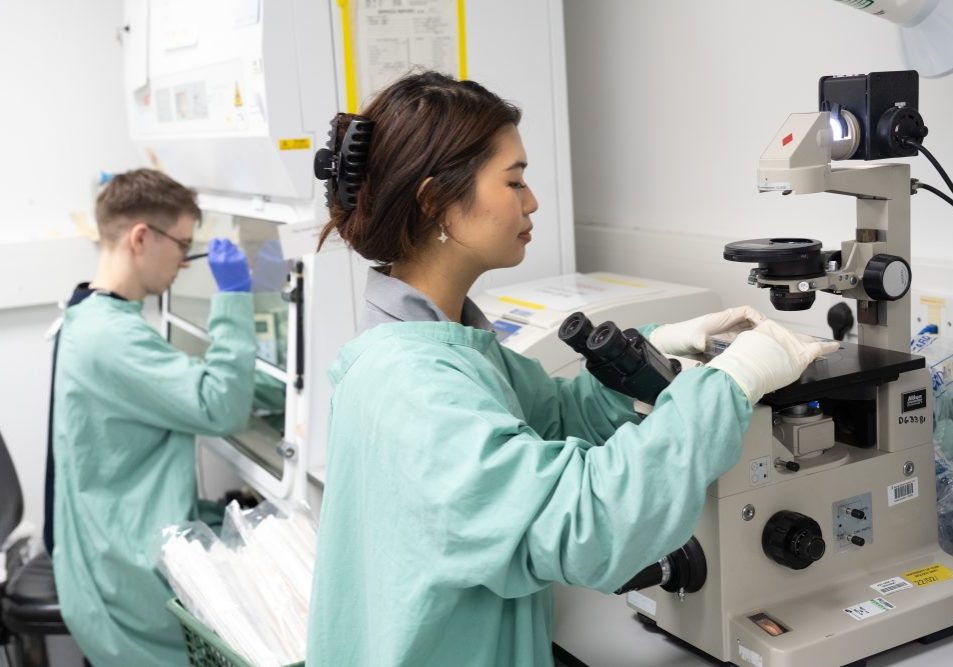
Kidney transplant patient discovers three cancerous tumours on bladder
The patient featured in this article has chosen to share his story anonymously Since receiving a kidney transplant seven years ago, life has not been all plain sailing for a Scottish man in his seventies. Living with polycystic kidney disease (PKD), he required a transplant in 2018, and his quality of life improved immensely. However,…
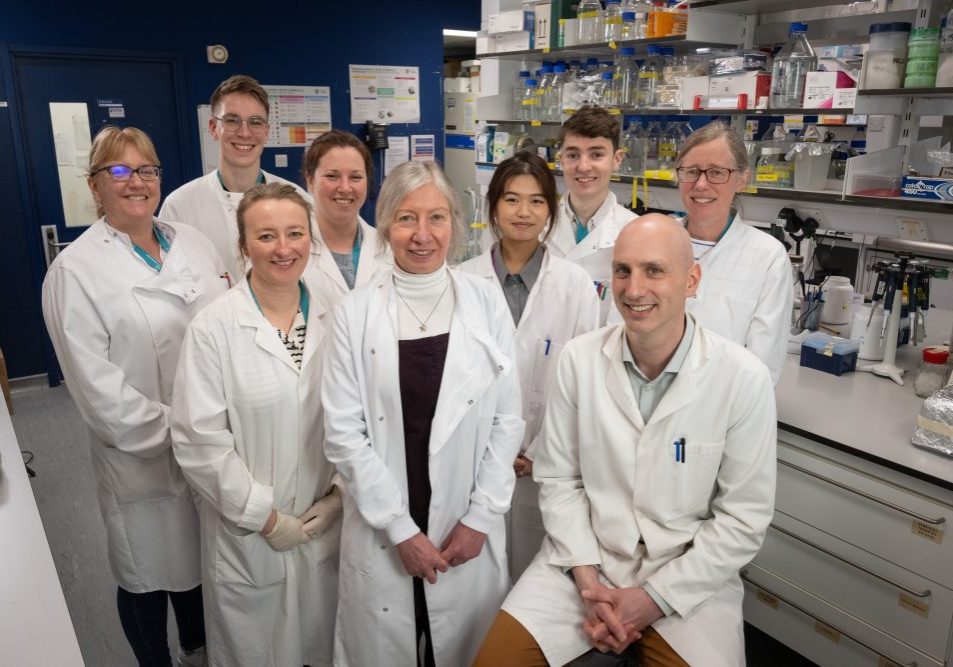
New results suggest that bladder cancer could be caused by the body’s response to common childhood virus
Data published today in Science Advances, from Dr Simon Baker’s group at the University of York, suggests that BK virus can trigger changes in DNA that drive bladder cancer development, which kidney transplant recipients are at much greater risk of. The study was funded by Kidney Research UK and York Against Cancer. Dr Simon Baker…