What is blood pressure?
Blood pressure is the pressure blood pushes against the walls of the arteries as it is pumped around the body by the heart.
When blood pressure is measured, two numbers are recorded.
- The maximum pressure, measured when the heart contracts, is called the systolic pressure.
- The minimum pressure, measured when the heart is relaxed, is called the diastolic pressure.
These pressures are recorded in a unit of pressure called millimetres of mercury (mmHg). Blood pressure is written as the systolic over the diastolic pressure, for example 120/80mmHg.

How is blood pressure measured?
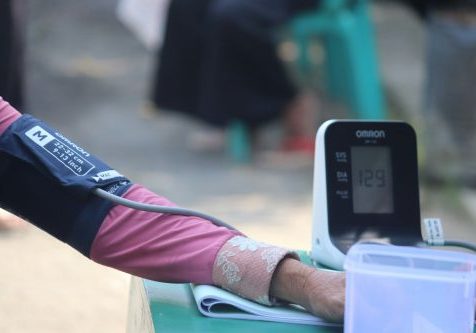
Blood pressure measurements can be taken by a GP, practice nurse or at your local pharmacy. As well as this, some workplaces GP waiting rooms and pop-up stations offer free checks. Gyms and health clubs may also offer checks for free or at a charge.
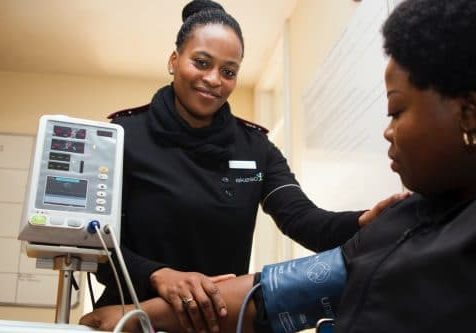
Blood pressure is usually measured using a cuff that is wrapped around the upper arm. Ideally, the person should be sat comfortably and avoid talking, having rested for at least five minutes and avoided cigarettes and caffeine for at least 30 minutes. Measured like this, an adult’s ideal blood pressure should be less than 120/80 mmHg, for example 110/68 mmHg.
If your GP thinks you may have high blood pressure (hypertension), you may be asked to do ambulatory blood pressure monitoring (ABPM), which uses a portable device around your waist, attached to a cuff, to regularly measure your blood pressure outside of a healthcare setting. Home blood pressure monitors, usually sold by reputable pharmacies, can also provide useful information for healthcare professionals to make decisions about needing and monitoring treatment.
Your blood pressure is considered high if 140/90mmHg or above taken in a healthcare setting, or 135/85mmHg or above if taken at home. You may have higher blood pressure readings in a healthcare setting due to the stress of attending the clinic.

What causes high blood pressure (hypertension)?
High blood pressure is common, affecting around 1 in 3 adults in England. There are several factors that increase the risk of developing high blood pressure:
- Age – as we age our blood pressure tends to increase
- Family history of high blood pressure
- Lifestyle factors such as smoking, drinking too much alcohol or an unhealthy diet high in salt
- Black African, Black Caribbean or South Asian ethnic backgrounds
- People having overweight or obesity
- Ongoing, long-term stress
High blood pressure and kidney disease
High blood pressure puts strain on your blood vessels and certain organs, including the kidneys. High blood pressure is an important risk factor for kidney disease, but in some cases, it is kidney disease which causes high blood pressure. In some patients it can be difficult to determine which came first.
Healthy kidneys help to regulate blood pressure by controlling the amount of fluid in circulation and by sending chemical messengers (called hormones) that control the narrowing of blood vessels. This process can be affected if the kidneys are damaged. High blood pressure can, in turn, cause further kidney damage so effective management is very important.
If you are aware you have high blood pressure, it’s also important to think about your kidneys. You can also speak with you GP about your risk of kidney disease and find out about tests such as a urine ACR test to check for proteinuria (protein in the urine).
Download a 'How are your kidneys today?' leaflet with an overview of risk factors and the key tests to detect kidney disease.
Symptoms of high blood pressure
High blood pressure does not usually cause any symptoms, and many people have it without realising. In rare cases symptoms can include headaches, blurred vision and chest pain.
Lifestyle changes to reduce high blood pressure
There are several lifestyle changes that can help reduce high blood pressure:
- Avoiding eating too much salt and eat a healthy and balanced diet
- Maintain a healthy weight
- Exercise regularly – at least 150 minutes weekly
- Avoid regularly drinking more than 14 units of alcohol a week or too much caffeine
- Avoid smoking
Remember to speak to your kidney consultant or renal dietitian before starting a diet plan or new exercise programme if you are on a restricted diet due to kidney disease.
High blood pressure treatment
There are a number of different medicines which lower blood pressure. These are usually prescribed by your GP if your blood pressure is very high, lifestyle factors have not reduced your blood pressure to a normal range, or if you’re more at risk of health problems linked to high blood pressure.
Your GP will aim to reduce your blood pressure to a certain range. This range can be influenced by whether you have kidney disease, any other medical conditions and your medical history.
Medications include:
- Angiotensin-converting enzyme (ACE) inhibitors and angiotensin receptor blockers (ARBs) help your blood vessels to widen and increase the salt and water lost in the urine
- Diuretics (such as bendroflumethiazide) increase the salt and water lost in your urine
- Calcium channel blockers (such as amlodipine, nifedipine) allow the walls of your arteries to relax so they become wider
- Alpha-blockers (such as doxazosin) prevent the contraction and narrowing of your blood vessels, widening them
- Beta-blockers (such as bisoprolol) reduce your heart rate
Useful resources about blood pressure
For more information about high blood pressure, visit:

"I am thrilled to receive this award from Kidney Research UK. I am really passionate about improving outcomes for kidney patients.”
Dr Elizabeth Wan
Researcher spotlight
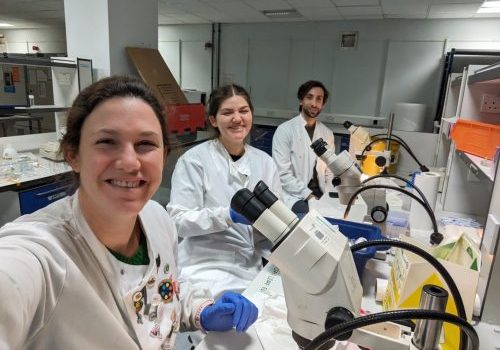
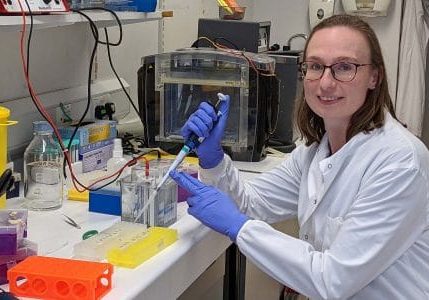
Dr Elizabeth Wan from University College London will start a new study to understand the pathways that control blood pressure and hopes to find new treatments.
Elizabeth will study a kidney protein called SLC12A3, to work out how it is controlled, if new genes are involved, and if any changes are linked to blood pressure or heart health.
Our blood pressure and kidney disease research
Our research is changing the lives for people living with kidney disease but more needs to be done.

Our research is only possible with your support.
Donate today and help transform treatments to save live.