
What is diabetes?
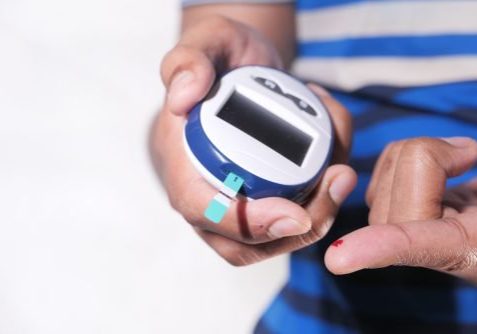
Diabetes is a condition that causes a person's blood glucose level to become too high, this happens because of problems with the hormone insulin. Increasing numbers of people are developing diabetes, which can lead to serious complications, including kidney damage.
Approximately one in three patients with diabetes will go on to develop kidney disease. Diabetes is the most common disease affecting the kidneys that results in patients needing dialysis. It is the second leading cause of kidney failure in the UK.
What are the types of diabetes?
There are several types of diabetes, the three most common are:
Type 1 diabetes – where an individual's immune system attacks and destroys the cells that produce insulin. About 10 per cent of people with diabetes in the UK have type 1 diabetes and need regular insulin injections to stay alive. It often begins in childhood or teenage years and is not caused by dietary or lifestyle factors
Type 2 diabetes – where the body doesn't produce enough insulin, or the body's cells become resistant to the action of insulin. This is the most common type of diabetes. The main risk factors for type 2 diabetes are:
- Having overweight or obesity
- Sedentary lifestyle (lack of regular aerobic exercise)
- Having a family history of type 2 diabetes
- Being from a minority ethnic group
- Older age – although type 2 diabetes is now increasingly common in younger people.
Gestational diabetes - develops during pregnancy in individuals who haven’t suffered from another type of diabetes. In gestational diabetes, the body can no longer produce enough insulin to keep up with the additional needs of pregnancy. The risk of kidney disease is increased if individuals who have had gestational diabetes go on to develop type 2 diabetes after their pregnancy.
Other types of diabetes also exist and affect about 2% of diabetes patients and involves changes in the gene.
How does diabetes affect the kidneys?
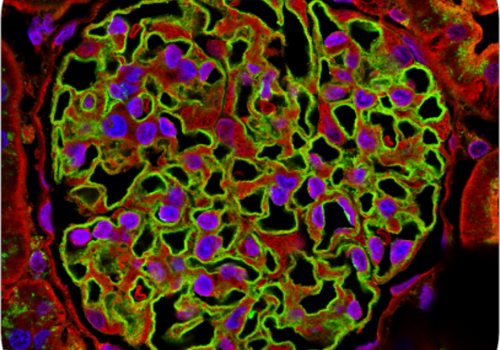
High blood glucose levels damage the delicate filtering system in the kidney (known as glomeruli). If the damage is severe, the kidneys can eventually lose the ability to filter out waste products from the bloodstream, resulting in a person needing dialysis or a kidney transplant to stay alive.
In older people with type 2 diabetes, the kidneys may already have been damaged by high blood pressure or heart and blood vessel disease, so these patients may develop significant kidney problems more quickly.
It is important that your doctor monitors your kidney health and that you try to look after your kidneys. Two tests for kidney disease should be included in the annual check-ups for diabetes patients; a urine test (looking for protein leaking into the urine called urine ACR test) and a blood test to check high levels of waste products in the blood.
Download a 'How are your kidneys today?' leaflet with an overview of risk factors and the key tests to detect kidney disease.
Diabetic kidney disease risk factors
An individual’s risk of diabetic kidney disease may be increased by the following:
- Poor blood glucose control
- High blood pressure
- A family history of kidney disease or high blood pressure
- Smoking
- Developing diabetes in between the ages of 10 and 20
- Having obesity or overweight
- Being male
- Being of South Asian, Black, African and African Caribbean heritage
- Socioeconomic deprivation (living with poverty or discrimination). This can lead to limited access to healthcare and healthcare education.
Other potential complications of diabetes
High blood pressure: this is usually an early sign of diabetic kidney disease
Blood vessel damage: large blood vessels can be damaged by diabetes, leading to a greater risk of heart attacks, strokes and heart and blood vessel disease – especially if high cholesterol and high blood pressure is also present
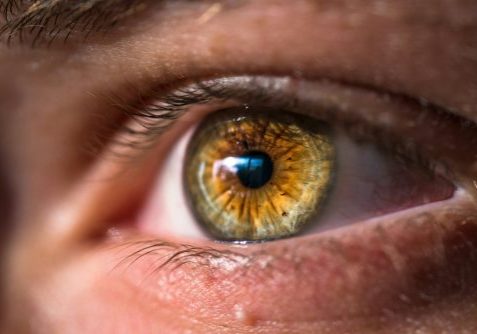
Eye damage: damage to smaller blood vessels can affect the retina at the back of the eye and cause bleeding and possible vision loss. This is known as diabetic retinopathy.
Nerve damage: this can cause numbness and tingling, especially in the feet, known as diabetic neuropathy
Feet: can also be affected by a loss of blood flow which can lead to decreased ability to feel things and problems with healing of cuts.
Diabetes treatment
People can reduce their risk of developing diabetic complications by:
- Giving up smoking: to benefit the kidneys, as well as the cardiovascular system and general health
- Taking regular exercise, losing weight, reducing alcohol intake, eating a healthy diet, reducing salt intake and controlling cholesterol
- Reducing blood pressure. Targets for blood pressure should be discussed with a healthcare professional, but for people with diabetes the target is usually below 140/90mmHg or 130 mmHg for some people with chronic kidney disease.
- Using blood pressure tablets called ACE inhibitors and ARBs on a long-term basis can reduce or even ‘cure’ protein leaks and prevent further kidney damage.
- Controlling glucose levels with the help of tablets, insulin and a healthy diet. New diabetes drugs called sodium-glucose cotransporter-2 inhibitors (SGLT2i) reduce the risk of developing or worsening diabetic kidney disease, over and above their effect on blood glucose. They are also good for the heart.
- Other drugs known as mineralocorticoid receptor antagonists (MRAs) can also help protect the kidneys and the heart from damage resulting in protein leaking into the blood.
- More recently, another type of diabetes drug called GLPI-agonists have been found to help kidney function in people with early diabetic kidney disease
The risk of kidney disease can be reduced by attending all medical appointments as well as receiving support for eating healthily, keeping active and stopping smoking. To help manage diabetes, information prescriptions and leaflets are available.
Recently, there have been multiple advances in the treatment of diabetes and its associated complications. With earlier diagnosis and improved treatments, less patients should go on to develop kidney failure.
If you have diabetes, your doctor should be monitoring your kidney health. This is normally done at least annually, with a blood and urine test to check how well your kidneys are working.
Resources about diabetes
Further information is available from:
- The dialysis timebomb: Why preventing kidney disease is everyone’s responsibility
- Diabetes and kidney research charities team up to tackle diabetic kidney disease - Kidney Research UK
- Diabetic nephropathy (kidney disease) | Diabetes UK
- What is diabetes? [Spoken in English] (youtube.com)
- Information Prescriptions for people with diabetes | Diabetes UK
You can also watch Dr Kevin Fernando explain the importance of urine (uACR) tests to help protect your kidneys.
If you have any queries or concerns, talk to your diabetes care team, who should be able to answer most of your questions.
Reviewed October 2024
Importance of an uACR test
A urine albumin creatinine ratio (UACR) test is a test for looking into your kidney health. It measures the amount of protein in your urine, an early sign of kidney damage.
It is vital for those at risk of heart disease, diabetes, raised blood pressure and if you have a family history of kidney disease.
Watch this video from Dr Kevin Fernando explaining the importance of a UACR test for monitoring kidney health.

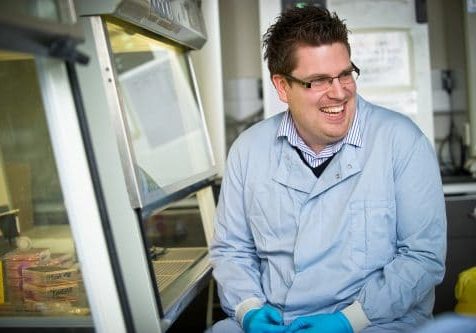
From this study, we've shown that a loss of IGFBP-1 could be one contributing factor to podocyte damage. We hope that this will lead to future work to investigate treatments in type 2 diabetes which could prevent kidney damage.
Dr Abigail Lay
Researcher spotlight
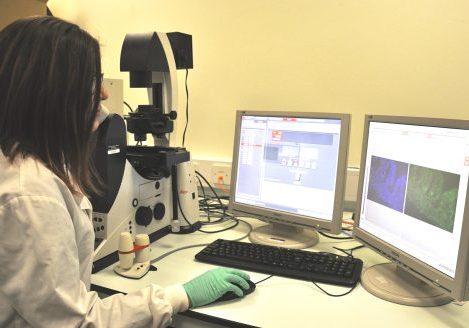
Dr Abigail Lay and researchers at the University of Bristol discovered a protein that may play a crucial role in the development of kidney disease in people with type 2 diabetes.
With the help of funding from Kidney Research UK and the Medical Research Council, the team identified a potential way to stop people with type 2 diabetes from developing diabetic kidney disease: the most common cause of end-stage kidney failure worldwide.
Our diabetes research
Our research is helping to change lives for people living with kidney disease.








Our life-saving research is only possible with your support.
Donate today and help transform lives.