

The role of the lymphatic system in kidney transplantation: is it good or bad?
In a recent paper, published in the Journal of Clinical Investigation, with funding from Kidney Research UK, Dr Daniyal Jafree and Professor David Long together with researchers at UCL, the University of Cambridge and the Wellcome Sanger Institute looked at the role of the kidney’s lymphatic vessels in kidney transplant rejection.
Research into the lymphatic system
There is very little research into the role of the lymphatic system in kidney transplantation.
Kidney transplants can transform the lives of people with kidney failure, but many fail in the long term because of rejection, this is when the body's immune system recognises a transplanted kidney as ‘foreign’ and attacks it, despite medications to prevent this.
There is very little research into the role of the lymphatic system in kidney transplantation. Because of this, when transplants are performed in the hospital, the lymphatic system is often overlooked. This study provides a new perspective on what lymphatic vessels do and how they change during kidney transplant rejection, highlighting them as a potential new treatment target to protect donated kidneys.
What is the lymphatic system?
The lymphatic system is made up of lymphatic vessels. These are tubes which that form part of the immune system. In healthy kidneys, they form a neat network that help to clear excess fluid, waste and immune cells. When disease happens, they are vital for keeping inflammation under control.
Lymphatic vessels change during kidney rejection
In this study, Daniyal and the team looked at human kidney tissue from deceased organ donors that were not fit for transplantation and looked closely at the lymphatic system in kidneys without disease. They then compared their findings to kidney transplants that were removed due to rejection by the immune system.
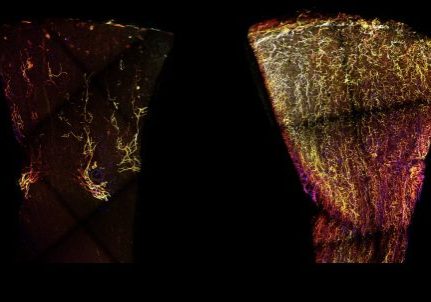
“With Kidney Research UK funding, we been able to develop improved imaging techniques. The technique we have used here allows us to take the whole block of kidney tissue and image all the cells in 3D, giving us important new insights into the role of the lymphatic system in kidney rejection.” Dr Daniyal Jafree.
To analyse the lymphatic system, the team used a new, powerful imaging technique that can capture 3D pictures of large pieces of kidneys, down to the detail of individual kidney cells. They found that in healthy kidneys, lymphatic vessels are arranged in a neat, tree-like pattern. However, in rejected kidneys, these vessels become overgrown and disorganised in a way that may cause immune cells to become trapped, unable to escape and therefore making rejection worse.
Daniyal and the team used a special technique to look at the genetic activity of lymphatics in rejection. What the team found suggests that lymphatics try to calm inflammation but also become damaged by harmful antibodies made against the kidney transplant when rejection happens. This suggests that lymphatics are caught in the middle: they try to help the immune system during rejection but also get attacked, making rejection worse, further damaging the transplant.

What does this mean for kidney transplant patients?
This study highlights lymphatic vessels as an important part of the human kidney, and as active players in kidney transplant rejection. This new 3D imaging technique is now being applied across several other models of kidney disease and also biopsies from patients, to detect changes in lymphatics at a much faster rate and understand the mechanisms that underly disease.
“This is an exciting new way of thinking about transplant rejection, and we hope could lead to new ways to protect or repair these vessels to ultimately improve how long transplants can last without being rejected.” Dr Daniyal Jafree.
Professor David Long added: “With funding from Kidney Research UK, we were able to develop and apply this new 3D imaging technique to large portions of human kidneys from patients and identify the mechanisms that underly disease. This work could also improve the early diagnosis and progression of kidney transplant rejection for patients.”
Elaine Davies, Director of research operations at Kidney Research UK commented: “We recognise that kidney transplant rejection remains a concern and creates anxiety in kidney transplant patients. New approaches are urgently needed to improve outcomes. This work provides us with new knowledge about the lymphatic system, and highlights that their change during rejection can present us with an innovative approach and hope for therapies.”
Read more about our transplant research


Personalising treatments for focal and segmental glomerulosclerosis patients receiving a kidney transplant
Blocking the immune response to protect transplanted kidneys so they function better and last longer






Why not make a donation now?
Every £ counts towards transforming treatments for people living with kidney disease.