
New insight into the experiences of older kidney transplant patients
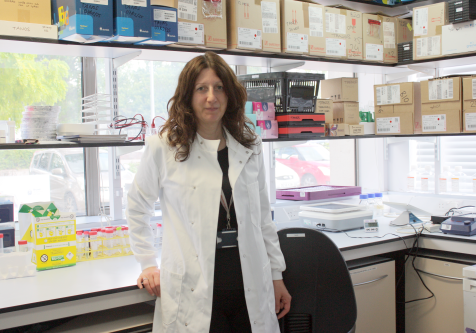
Recent results published in Kidney International reports, led by Professor Edwina Brown and Dr Michelle Willicombe from Imperial College London, supported by a Kidney Research UK-Stoneygate research project grant, provide important insights into the experiences of older patients receiving a kidney transplant.
More older adults are receiving kidney transplants
The number of older people receiving a kidney transplant is increasing. Around 9,500 patients who were 65 and over received a kidney transplant in 2019 compared to around 10,600 in 2023.
Frailty is more common in older patients. However, there is little research into how frailty could impact physical and mental health for transplant patients. By identifying these effects, patients and doctors would have a better understanding of what transplant surgery could mean for the individual. It could also inform interventions to better support these patients to try to protect their physical and mental health following transplant surgery.
What is frailty?
With age, the body may lose its built-in reserves across different body systems, meaning it is less able to recover, or bounce back, from illness and injury. This is called frailty.
Identifying how frailty affects older people receiving a kidney transplant
Edwina, Michelle and the team looked at 210 patients over the age of 60 who were waiting for a kidney transplant. They investigated whether having frailty impacted mental and physical health in the months before and following kidney transplant surgery. This included questionnaires to assess physical and mental quality of life, symptom burden, treatment satisfaction and the impact of their condition on their everyday life.
Edwina, Michelle and the team also looked at medical data for these patients to see if people with frailty were more at risk of health problems related to transplant surgery itself, such as infection.
The majority of participants reported their mental and physical health decreased following surgery. Participants who were frail or vulnerable to frailty reported worse symptom burden, mental health and depression following transplant. However, for most, the burden of their symptoms and satisfaction with their treatment improved after surgery and reached a better level than before transplant by one year.
Following transplant surgery, frail and vulnerable to frailty participants were more likely to have a kidney that took longer to begin working properly, which can mean a temporary return to dialysis, and were more likely to spend longer in hospital recovering from surgery.
Longer term function of the transplant, measured after a year, was also not as good in frail and vulnerable to frailty participants. However, in most cases a kidney transplant did stabilise the declining physical health of people who were frail and vulnerable to frailty.

What could this mean for patients?
By understanding better how frailty affects outcomes for older transplant patients, we can provide healthcare professionals and patients with more information on what a kidney transplant could mean for the individual. This could also inform more targeted support for these patients in managing both their physical and mental health following transplant surgery.
“These results have given us new insight on the many impacts on both physical and mental health for older patients undergoing kidney transplant surgery.
“We want patients to have the most information to help them make a decision that is right for them, and as healthcare professionals we want to do our best to support these patients. Having a clearer picture of what a kidney transplant could mean for the individual is key to this.” Professor Edwina Brown
Read about our latest research

Could understanding blood pressure changes during sleep in kidney patients be key to protecting heart and vessel health?
New results suggest that bladder cancer could be caused by the body’s response to common childhood virus

SMC approval of mercaptamine offers new hope and choice for people living with cystinosis in Scotland



Research looking at repurposing drugs to treat polycystic kidney disease shows promising new results
Personalising treatments for focal and segmental glomerulosclerosis patients receiving a kidney transplant


Why not make a donation now?
Every £ counts towards transforming treatments for people living with kidney disease.