

What is cardiovascular disease and how is it linked to kidney disease?
Cardiovascular disease (CVD) is a general term for conditions affecting the heart and/or blood vessels.
Patients with chronic kidney disease (CKD) have an increased risk of developing cardiovascular disease (CVD) and are 20 times more likely to die from cardiovascular disease than kidney failure.
Several of the risk factors for kidney disease are also risk factors for cardiovascular disease, such as high blood pressure or diabetes.
The kidneys and cardiovascular system work closely together, so if something goes wrong with the kidney it can lead to problems for the heart and blood vessels and the other way round. For example, kidney problems can increase blood pressure and decrease the health of the blood vessels which can put strain on the heart as it tries to pump blood around the body.
How can kidney disease affect the cardiovascular system?
Heart failure
Decreased vessel health and increased blood pressure in chronic kidney disease (CKD) can put strain on the heart and can lead to heart failure, where the heart can’t pump blood properly.
Vascular disease
Blood vessel health can decrease in CKD for several reasons, for example with increased blood pressure, or changes in the walls and cells which make up the vessels. This can increase the risk of vascular diseases such as atherosclerosis, where the arteries become narrower, meaning blood can’t flow as easily. In the heart this can cause heart attacks and in the brain this can cause strokes.
Causes of cardiovascular disease
Many different factors can increase the risk of CVD. These include:
- High blood pressure (hypertension)
- Smoking
- High cholesterol (a fatty substance in the blood)
- Diabetes
- Kidney disease
- Not exercising regularly – at least 150 minutes weekly
- People having overweight or obesity
- A family history of CVD
- Some ethnic backgrounds have increased risk such as south Asian, Black African or African
- Caribbean backgrounds.
- An unhealthy diet high in fatty foods and/or salt
- Age – CVD increases with age and is most common in adults over 50
- Excessive alcohol consumption - more than 14 units of alcohol a week
Cardiovascular disease prevention
Lifestyle changes and certain medications can lower your risk of developing CVD or decrease the risk of it worsening if you already have it.
- Stopping smoking, access advice and support on the NHS website or via your GP
- Eating a balanced diet
- Regular exercise
- Reducing alcohol intake
- Statins – these tablets lower high cholesterol in the blood
Remember to speak to your kidney consultant or renal dietitian before starting a diet plan or new exercise programme if you are on a restricted diet due to kidney disease.
Resources about cardiovascular disease
For more information about CVD, visit the NHS website: Cardiovascular disease - NHS
Reviewed August 2025

Dr Soma Meran
Researcher spotlight
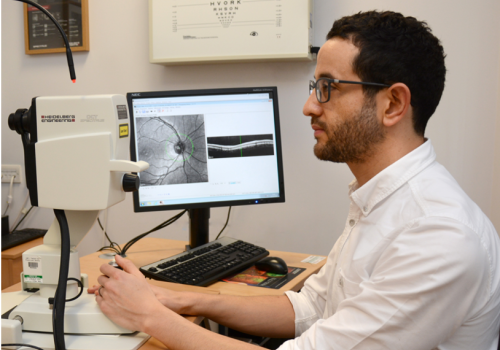
Dr Soma Meran, and the team at Cardiff University, will investigate what causes vascular-calcification (VC) so that new, more specific, treatments can be developed to improve heart health in kidney patients.
By studying cells, laboratory models and blood samples, they will investigate the link between inflammation and changes in artery walls that may lead to heart disease.
By studying the biological processes linked to heart disease in chronic kidney disease, this research could help to identify new treatments targeting the unique changes that occur as kidney failure progresses.
Our cardiovascular disease research
Our research is changing the lives for people living with kidney disease but more needs to be done.







Our life-saving research is only possible with your support.
Donate today to transform treatments for people living with kidney disease.