
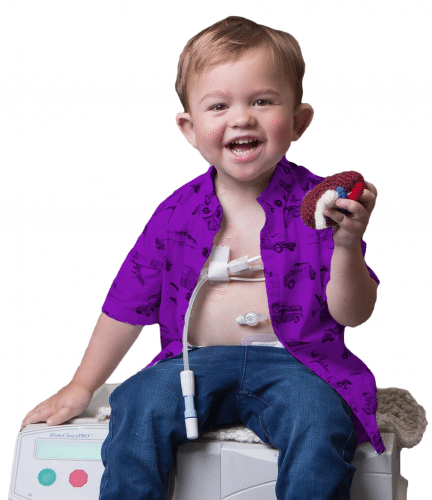
What is cystinosis?
Cystinosis is a rare, hereditary condition in which an amino acid (a molecule that is one of the building blocks of proteins) called cystine, builds up in cells. The excess cystine forms crystals that can cause problems in different organs, most often the kidneys and eyes.
Cystinosis is estimated to occur in approximately 1 in 200,000 live births in the UK, with two to three new cases diagnosed annually. It is usually diagnosed in early childhood, at around the age of 2.
Causes of cystinosis
Cystinosis is caused by a change to a gene (part of our DNA that carries instructions). It is autosomal recessive which means that to develop the symptoms of cystinosis an individual must have two copies of the abnormal gene – one from each parent.
Individuals who have one copy of this gene are called carriers and will not develop cystinosis but have a one in two chance of passing the gene to any biological children who will also be carriers.
Types of cystinosis
There are three types of cystinosis which differ by the age of onset and severity of the symptoms.
Nephrotic infantile cystinosis: this is the most common and severe form of cystinosis. Early onset of symptoms affects babies and young children under the age of 2 years. The infant develops a condition known as Fanconi syndrome where the kidneys are unable to properly absorb minerals, vitamins and salts into the blood stream. This results in delayed growth, rickets (soft weak bones), wasting of the muscle and other symptoms.
Nephrotic juvenile cystinosis: the signs and symptoms of this type are like infantile cystinosis except that the symptoms develop later in childhood or adolescence. Symptoms are often less severe.
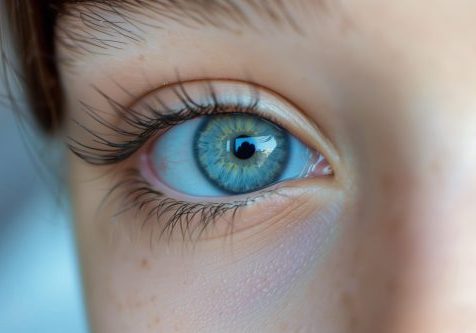
Ocular cystinosis: also known as non-nephrotic cystinosis, is the rarest type of cystinosis. This type affects only the eyes. People with ocular cystinosis can experience eye sores, blurry vision and a feeling of grit or dust in the eyes due to cystine crystals forming in the eye.
Cystinosis symptoms
The different types of cystinosis can range in the start and severity of symptoms and there are other organs and systems which can sometimes be involved. Some common issues include:
Kidneys:
Typically, the first sign of cystinosis starts before the child is 18 months old. Families may notice that their infant experiences excessive thirst and urination, as well as vomiting, difficulty feeding and poor growth. Without specific treatment, most children with cystinosis will later develop kidney failure before the age of ten requiring dialysis or a kidney transplant.
Eyes:
The build-up of crystals can make the eyes sore, sensitive to light and gives the feeling that grit or dust has got into the eyes. Vision can become blurred or hazy.
Muscles and bones:
This can include a softening or weakening of the bones, otherwise known as rickets. Accumulation of cystine can also cause weakness and wasting of the muscles. When this happens in the throat, there can be swallowing and feeding difficulties, and in the chest, the lungs can be affected causing breathing difficulty.
There can be complications from long-term build-up of cystine in the body resulting in conditions such as diabetes, thyroid problems, vision problems and weak bones in adulthood.
Cystinosis diagnosis
Blood test: this can reveal elevated cystine levels in white blood cells – these cells help the immune system to prevent infection.
Urine test: can indicate high levels of protein and electrolytes.
Eye examination: to check for cystine crystals in the cornea.
Genetic testing: this may be offered if a healthcare professional thinks that it could be cystinosis, and particularly if there is a family history of the condition to confirm the presence of the faulty gene.
If there is a family history of the condition, genetic testing is recommended.
Cystinosis treatment
With improved understanding and earlier treatment of cystinosis, the risk of organ damage can be minimised. Treatments such as electrolytes, vitamins and growth hormones may be offered to help with the different symptoms associated with the conditions.
Medication
The first line of treatment for cystinosis is medication called cysteamine. It works by lowering the levels of cystine found in the cells. If treatment is started early, the medication can slow the start and progression of kidney damage, significantly delaying the need for kidney transplantation. It is important to speak to your GP or kidney specialist about treatment options and advice.
Eye drops
There are also cysteamine eye drop formulations that help with light sensitivity by managing the buildup of cystine crystals in the eyes.
Useful resources
For more information on cystinosis and support about cystinosis, visit Cystinosis Foundation UK | For a brighter future…
Rare Renal Disease Registry: There is a need for greater awareness and support. If you have been diagnosed with the condition and would be willing to share your story or act a patient representative, then please do get in touch with the Rare Renal Team: https://ukkidney.org/rare-renal/contact-us/form
Reviewed June 2025
Our kidney research
Our research is changing the lives for people living with kidney disease but more needs to be done.

Could understanding blood pressure changes during sleep in kidney patients be key to protecting heart and vessel health?
New results suggest that bladder cancer could be caused by the body’s response to common childhood virus
SMC approval of mercaptamine offers new hope and choice for people living with cystinosis in Scotland





Research looking at repurposing drugs to treat polycystic kidney disease shows promising new results

Personalising treatments for focal and segmental glomerulosclerosis patients receiving a kidney transplant


Our life-saving research is only possible with your support.
Donate and save lives today.