

What are rare and hereditary kidney diseases?
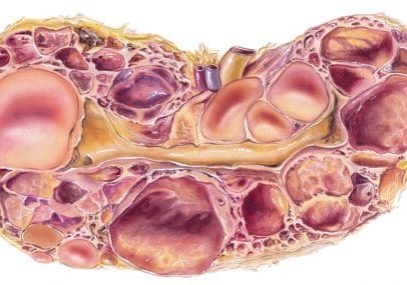
A rare disease is when it affects a small percentage of people within a population. In the UK, this is defined as less than 1 in 2,000 people. There are over 150 types of rare kidney diseases, and 8 in 10 are hereditary, meaning they are passed on from parent to child.
Although these disorders may individually be very rare, collectively they impact many families. It is estimated that around 70 in 100,000 people have a rare kidney disease, and more than 10% of adults and almost all children receiving kidney replacement therapy (dialysis or transplant) have rare kidney diseases.
The most common rare kidney diseases are autosomal dominant polycystic kidney disease (ADPKD) and Alport syndrome.
What are the causes of rare and hereditary kidney diseases?
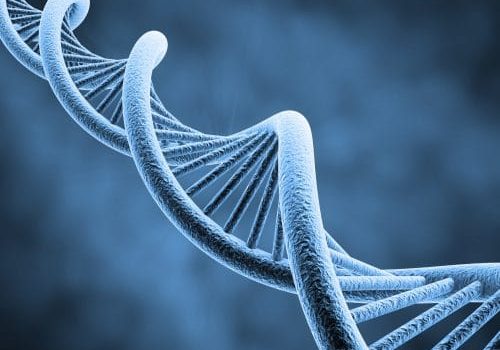
Rare and hereditary diseases are most often caused by changes in genes - sections of inherited instructions (DNA). For example, changes in genes called PKD1 and PKD2 cause polycystic kidney diseases (PKD), faulty collagen genes cause Alport syndrome and genes called HPSE2 and LRIG2 cause a condition called urofacial syndrome (UFS).
These disorders are often referred to as dominant or recessive which include:
- Autosomal dominant inheritance – autosomal means a specific gene that is on a numbered chromosome and not a sex chromosome. In autosomal dominant inheritance, one faulty gene is inherited from one parent. A person with an autosomal dominant disorder has a 50% chance of passing the disease to their children. An example is ADPKD
- Autosomal recessive inheritance – here an individual must inherit two copies of the faulty gene, one form each parent, to develop the disease. If a single copy of the faulty gene is inherited, the individual will be a ‘carrier’. This means that although they may not show any signs of the condition, they have a 50% chance of passing the gene to their biological child, who will also be a carrier. This pattern is seen in autosomal recessive polycystic kidney disease (ARPKD)
- X-linked inheritance – this is where the gene causing the disease is located on the X chromosome. Females have two X chromosomes, while males have one X and one Y chromosome. The X-linked faulty gene may affect male and female differently. A male child needs only one copy of the X-linked gene for the disease to affect him. Whereas, for biological females only one out of the two X chromosomes have the faulty gene, so the disease is milder or not present. This pattern of inheritance is observed in Alport syndrome.
The causes of some rare kidney disease are still unknown, or the pattern of inheritance has not been identified. Some rare diseases are thought to be linked to multiple faulty genes (known as ‘polygenic’) and environmental factors.
How are rare and hereditary kidney diseases diagnosed?
Characteristically, patients often wait four years or more for a diagnosis. Also, because of the complexity of these rare conditions, many patients live through numerous referrals, inconclusive tests and incorrect diagnosis before a final diagnosis is achieved.
Standard tests such as urine test and blood test to check can be used to diagnose kidney diseases, but more advanced tests (like genetic testing) are needed to confirm diagnosis and understand the course of the disease.
Genetic testing
Genetic testing allows us to identify genes and understand the pattern of inheritance, which can help patients to understand more about the disease before making important decisions, such as family planning.
Ultrasound scans
An ultrasound scan is a type of imaging test used during pregnancy. This technique can identify some rare and hereditary kidney diseases, such as ARPKD. Other forms of imaging such as CT scan and MRI can be used to check the structure of the kidney in children and adults.
Biopsies
Biopsies are also one of the tools used for diagnosis. The test is carried out by taking a sample of the kidney tissue either using a needle or during a surgery (open biopsy). The test sample is sent to the lab and checked under a microscope.
Are treatments available for rare and hereditary kidney diseases?
Treatment at an early stage may slow down the progression of diseases and delay the need for dialysis and transplantation. Treatment depends on the type of rare and hereditary disease that was diagnosed. Health practitioners may also advise certain lifestyle changes that can improve the health of the kidney such as:
- Eating a healthy diet or changing your diet as seen in patients with Bartter syndrome (a condition that causes increased salt loss) who may need to increase their salt intake.
- Exercising regularly
- Stay hydrated
- It is important to speak to a health care practitioner about any lifestyle changes.
Useful resources about rare kidney diseases
Patient support – different support is available for people that have been diagnosed with or affected by rare and hereditary diseases. Support groups can provide information on the disease and ongoing research.
Rare Renal Disease Registry: There is a need for greater awareness and support. If you have been diagnosed with the condition and would be willing to share your story or act a patient representative, then please do get in touch with the Rare Renal Team.
Reviewed Aug 2024

Collectively common: the devastating impact of rare kidney diseases in the UK
Our independently produced report reveals the impact of rare kidney diseases.
The report shows that people with rare kidney diseases face significant diagnosis delays, inconsistent care and long waits for new treatments, with children in particular left at greater risk of medical, educational, and economic disruption.

"Since little is known about the function of PKHD1, the research will provide some important information about the function and interactions of the gene product.”
Dr Rebecca Walker
Researcher spotlight
Autosomal recessive polycystic kidney disease (ARPKD) is mainly caused by a fault in a specific gene called PKHD1. The condition occurs when both parents have a copy of this faulty gene (but do not have the condition themselves) and pass it on to their child.
Dr Rebecca Walker from the University of Sheffield is researching how cell signalling can lead to the growth of kidney cysts in ARPKD and how to prevent it.
This study may help to better understand the development of cysts in ARPKD, providing a foundation for future targeted treatments in PKD.
Our rare and hereditary research
Our research is changing the lives for people living with kidney disease but more needs to be done.
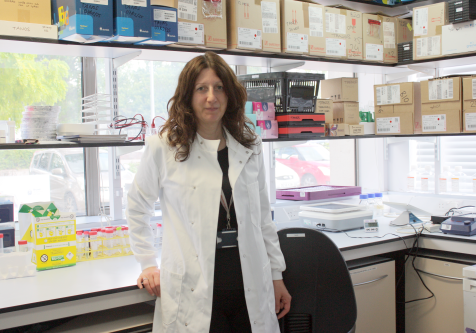

Research looking at repurposing drugs to treat polycystic kidney disease shows promising new results

Kidney Research UK welcomes reversal of NICE decision on sparsentan for patients with rare IgA nephropathy
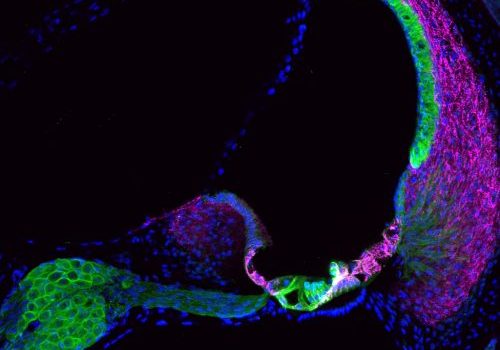

New results show Kidney BEAM physical activity digital health programme improves mental health and self-management in people living with polycystic kidney disease

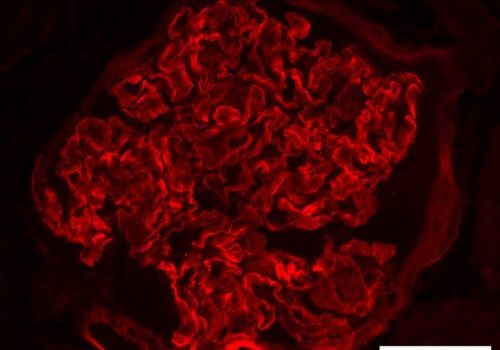
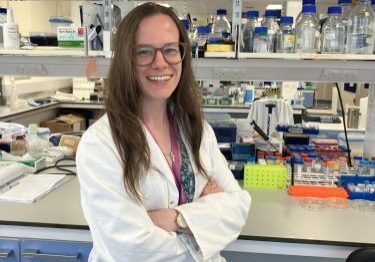



Our research is only possible with your support.
Donate today and help transform lives.