
What is IgA vasculitis?
IgA vasculitis (also known as Henoch-Schönlein Purpura) is a type of vasculitis, a group of conditions which cause inflammation of the blood vessels. It can happen in people of all ages however it is most common in children under 10 years old.
What causes IgA vasculitis?
Antibodies are proteins that are produced by the body’s immune system to help fight infection. IgA is type of protein that is made by everyone and usually protects the airway throat and gut lining.
When abnormal versions of IgA are produced it gets trapped in the smaller blood vessels and it can cause inflammation leading to IgA vasculitis. This usually happens after an infection, most commonly in the throat or gut.
Vasculitis can also happen in the kidney, which is called IgA vasculitis nephritis. This condition includes damage to the blood vessels in the kidney, causing blood cells and proteins to leak into the urine.
Symptoms of IgA vasculitis
Children and adults may have an illness before any symptoms of IgA vasculitis.
Common symptoms of IgA vasculitis include:
- Raised spots of a red or purple skin rash called purpura, particularly on the feet, ankles, back of the legs, buttocks, back and arms.
- Joint pain, and sometimes swelling, particularly at the ankles, knees and elbows.
- Tummy pain. They may also feel and/or be sick, have constipation or diarrhoea. The stool or vomit may contain blood or mucus.
- Tiredness.
If the kidneys are affected there may be symptoms such as:
- Blood in the urine, which may be visible or detected only on dipstick checks.
- Protein in the urine, which can be detected on a dipstick urine test.
- Urinating less frequently or in smaller volumes.
- Kidney involvement can also lead to other complications such as high blood pressure and/or swelling of the eyes, feet and legs (oedema).
Diagnosis of IgA vasculitis
There is no one specific test for diagnosing vasculitis. Doctors will usually look at the symptoms, blood pressure and do a urine dipstick test to look for any blood or protein.
Other tests may include:
- Blood test to look for IgA (however IgA vasculitis may still be present without a rise in IgA).
- Skin and/or kidney biopsy to look for IgA in the organs.
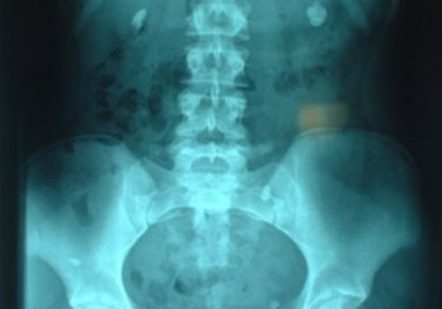
- Ultrasound scan, to exclude other causes in the kidney.
Treatment for IgA vasculitis
In most cases, treatment for IgA vasculitis is not needed as symptoms get better without intervention, usually within a month but this can be longer. Patients are carefully monitored usually at home for several weeks until recovery.
All patients need to have urine checks for the first six months after the diagnosis to check for kidney inflammation. This may be needed for longer if the symptoms have not fully recovered.
Medication and lifestyle changes:
- To relieve pain, patients may be given medicines such as paracetamol. Ibuprofen can cause damage to the kidneys so is best avoided if there are concerns about kidney inflammation.
- Some patients may need to alter their diet, fluid intake, or take medicines to manage symptoms such as high blood pressure, protein loss in the urine or other complications of the condition.
- Sometimes immune dampening medication is needed if there are severe symptoms or kidney inflammation.
Useful resources
Further information about IgA vasculitis can be found on the infoKID and Vasculitis UK websites:
Reviewed April 2025

“The research will give us information on the early processes involved in how the immune system may be overreacting and insulting the kidneys in IgA vasculitis and allow us to begin to understand how we can tackle IgA vasculitis with nephritis early with the vision to stop kidney failure.”
Dr Louise Oni
Researcher spotlight
1–2 in every 100 children with IgA vasculitis will go on to develop kidney failure. This is even greater when the condition happens in adults.
Dr Oni leads a kidney inflammatory research team who share the vision that no one with IgA vasculitis should get chronic kidney disease, and the team are working hard to understand the causes of kidney problems to bring better treatments to patients.
Our latest kidney research

Could understanding blood pressure changes during sleep in kidney patients be key to protecting heart and vessel health?

New results suggest that bladder cancer could be caused by the body’s response to common childhood virus

SMC approval of mercaptamine offers new hope and choice for people living with cystinosis in Scotland






Research looking at repurposing drugs to treat polycystic kidney disease shows promising new results