

What is kidney failure?
Kidney failure is the most severe form of kidney disease, also known as stage 5 chronic kidney disease (CKD). At this stage, your kidneys have lost nearly all their function, having an estimated glomerular filtration rate (eGFR) of less than 15ml/min /1.73m2.
The kidneys have an important role in the body – they filter waste and toxins from the blood, help to maintain the correct water balance and regulate blood pressure. They also return certain minerals back into the blood stream and produce essential hormones.
When your kidneys fail it is life threatening, and without treatment it can be fatal. Most people with kidney failure will have either dialysis or a kidney transplant.
Signs and symptoms of kidney failure
Common symptoms include:
- Itching
- Nausea (feeling sick)
- Swelling in the feet, ankles, or hands
- Being short of breath
- Taste changes such as a metallic taste in the mouth
- A change in frequency of urination
- Feeling tired
- Loss of appetite and losing weight
- Blood in the urine
- Muscle cramps
- Headaches
- Disrupted sleep
- Erectile dysfunction
What causes kidney failure?
There are many different causes of CKD. CKD doesn’t always lead to kidney failure. Depending on the cause, for some patients if treated early and effectively this can prevent progression to kidney failure.
Tests for kidney failure
Kidney disease is diagnosed using a blood and urine test.
By measuring the level of creatinine in your blood, along with other factors such as your age and biological sex, a doctor calculates the estimated glomerular filtration rate (eGFR). This value indicates how many millilitres of your blood the kidneys are cleaning per minute. Healthy kidneys typically filter more than 90 ml each minute (this figure is adjusted for body size). A lower rate may indicate chronic kidney disease (CKD).
If your eGFR results suggest you have chronic kidney disease (CKD), this is graded from stage 1 to 5. A higher grade indicates a lower kidney function. An eGFR below 15ml/min is classed as stage 5 CKD or kidney failure, where the kidneys have lost most of their ability to function.
A urine albumin creatinine ratio (uACR) test identifies the level of protein in the urine, a sign of kidney damage. Higher uACR numbers increase your chances of CKD worsening and risk of cardiovascular disease (CVD).
Complications of kidney failure
Many people with kidney failure experience additional health issues related to kidney disease.
These can include:
- Cardiovascular disease including heart disease
- High blood pressure
- Metabolic acidosis (a buildup of acid in the blood)
- Bone problems
- Hyperkalaemia (high levels of potassium in the blood)
- Effects of emotional impact such as difficulty sleeping, appetite loss, lack of energy, low mood, anxiety and decreased interest in sex and/or difficulty becoming sexually aroused
For those living with kidney failure, regular check-ups with a healthcare professional are important to monitor these conditions.
Treatments for kidney failure
For people living with kidney failure, treatment options include transplant or dialysis.
Dialysis works by performing some of the functions of the kidney, such as removing waste from your blood and helping to maintain balanced levels of fluid and minerals.
A kidney transplant is an operation to place a healthy donated kidney into the body. If successful, the donated kidney takes over the lost functions of the original kidneys.
Patients may have the option to choose conservative care, which focuses on managing symptoms and maintaining quality of life.
While stage 5 CKD is severe, there are lifestyle changes that can be made to try and protect remaining kidney function:
- Management of other medical conditions. Conditions such as high blood pressure and diabetes can damage the kidneys, so it is important you follow your doctor’s advice, including taking any medications and attending appointments.
- Stop smoking. Smoking can increase the risk and rate of progression to kidney failure. It also increases the risk of cardiovascular disease which also increases the risk of CKD.
- Eat a healthy and balanced diet. Avoid consuming too much salt as this increases blood pressure and can put strain on the kidneys.
- Avoid drinking excessive amounts of alcohol, the NHS recommends no more than 14 units a week regularly.
- Exercise regularly. The NHS recommends at least 150 minutes of moderate exercise a week. Starting with short walks is a great way to begin.
- Having overweight. Losing weight through a healthy diet and exercise can improve your health.
- Avoid the use of certain painkillers, called nonsteroidal anti-inflammatory drugs (NSAIDs), such as Ibuprofen, where possible as these can cause kidney damage if you take these too often.
Important questions to ask
If you or a loved one has been diagnosed with stage 5 CKD, it is important to have an open dialogue with your healthcare provider. Consider asking these questions:
- What are my treatment options?
- How will dialysis affect my daily life?
- Am I a candidate for a kidney transplant?
- What lifestyle changes should I make?
- How can I manage my symptoms effectively?
- What support services are available for me and my family?
References
Tidy C. Chronic kidney disease [online]. Patient.info, Navigate Health Ltd: London, UK; Jun 2024 [Accessed 22 August 2025]. Available from: Chronic Kidney Disease (CKD)
Malkina A. Chronic Kidney Disease [online]. MSD Manual, Merck & Co, Inc., Rahway, NJ, USA; Feb 2025 [Accessed 22 August 2025]. Available from: Chronic Kidney Disease - Genitourinary Disorders - MSD Manual Professional Edition
NHS [online]. Nhs.uk, England; Mar 2023 [Accessed 22 August 2025]. Available from: Chronic kidney disease - Symptoms - NHS
Knott L. Renal replacement therapy and transplantation [online]. Patient.info, Navigate Health Ltd: London, UK; Feb 2022 [Accessed 22 August 2025]. Available from: Renal Replacement Therapy and Transplantation
Reviewed December 2025
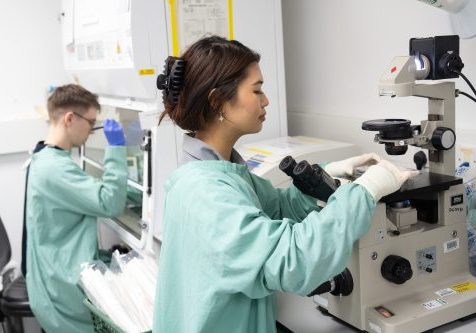
Transforming treatments with research
Every day more than 20 people start treatment for kidney failure. Our research can change this.
With your support we are able to fund life-changing research to transform treatments for people living with kidney disease.

Have you been diagnosed with kidney disease?
Request your free Kidney Kit today.
You'll find tips and support from kidney patients, delicious recipes, simple exercise plans and more.









Our life-saving research is only possible with your support.
Save lives.