

What is anaemia in kidney disease?
Anaemia is a reduction in the amount of haemoglobin in the blood. Haemoglobin is required to carry oxygen to the organs and muscles, so too little haemoglobin results in a reduction in oxygen supply. Anaemia is common in people with kidney disease, but many other conditions can also cause anaemia.
Causes of anaemia
Causes of anaemia
There are three main types of cells in the blood:
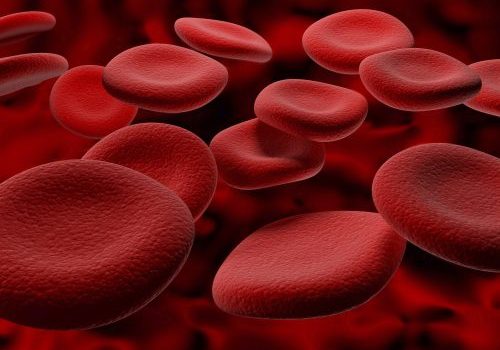
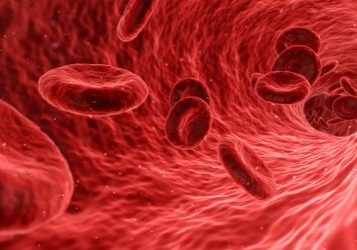
- Red blood cells – disc-shaped cells produced in the bone marrow. They contain haemoglobin (Hb) – a combination of an iron-containing molecule ‘haem’ and the protein ‘globin’. Haemoglobin gives blood its red colour and carries oxygen in the blood and releases it in our organs.
- White blood cells – (also called leukocytes) which help to fight infection.
- Platelets – which contain substances that aid blood clotting and plug holes in our small blood vessels.
A full blood count (FBC) is a laboratory blood test to measure the amount of haemoglobin and the numbers of red cells, white cells and platelets in the blood. It is also used to check the size and haemoglobin content of the red cells.
Common causes of anaemia
Anaemia can occur in many diseases and for many reasons, but common causes include:
- blood loss
- a shortage of substances needed to make blood: most commonly iron, but also folic acid and vitamin B12
- illnesses that cause inflammation such as rheumatoid arthritis
- pregnancy
- diseases of the bone marrow, where blood is made
- disease where blood cells are broken down
Anaemia and kidney disease
Kidneys normally secrete a hormone called erythropoietin (EPO). This controls the production of red blood cells in the bone marrow. In moderate to severe kidney disease, anaemia occurs because the kidneys cannot make enough erythropoietin and the ability to absorb iron from the gut and release it from body stores is reduced.
Anaemia symptoms
- Shortness of breath
- Feeling tired and lacking energy
- Noticeable heartbeats (palpitations)
- Looking pale
- Headaches
- Chest pain
- Dizziness
- Cold hands and feet
Anaemia and kidney disease
Mild anaemia can occur in people with stage 3b chronic kidney disease but it usually only becomes a significant problem at stages 4 or 5.
A shortage of erythropoietin is the most important factor, but other causes can contribute to the development of anaemia:
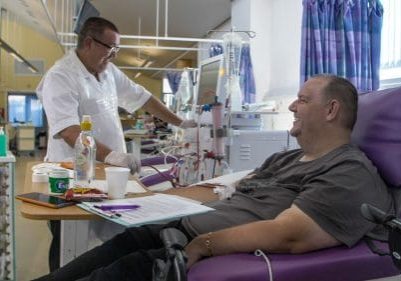
- People on haemodialysis lose small amounts of blood at each treatment.
- Kidney disease reduces the ability of the body to absorb and use iron to make new red blood cells.
- Inflammation and infection can suppress the bone marrow.
Anaemia treatment
Treating anaemia by increasing the amount of haemoglobin in the blood helps to restore energy, improve stamina for exercise, and may help improve other problems, such as problems with sexual function.
Iron concentrations are often low in people with kidney disease either because their diet doesn’t contain enough iron, or there’s something wrong with how the body absorbs iron from the food as it is digested. Extra iron is given (either in the form of iron tablets or intravenous iron infusion) to provide enough for normal production of red cells and to reverse or lessen the anaemia.
Erythropoiesis stimulating agents (ESAs) are drugs commonly used in people with anaemia and chronic kidney disease which act like the body’s natural EPO to stimulate the bone marrow to make more red blood cells. For people on haemodialysis these drugs can be given via the dialysis machine, for other people they are given via an injection. As an alternative to ESAs, patients may be given a Hypoxia inducible factor- prolyl hydroxylase (HIF-PH inhibitor), tablets which also increase the production of red blood cells by instead stimulating the production of the body’s natural erythropoietin (EPO).
Side effects are rare but some are important, for example:
- High blood pressure, especially if the haemoglobin (Hb) level rises rapidly, or becomes too high
- Clotting of fistulas used for haemodialysis may be more likely if haemoglobin levels are high
- Heart disease and stroke are more common if treatment is adjusted to increase the haemoglobin level
- Very rarely patients react to EPO, making antibodies that stop it working. The bone marrow stops producing red cells, which results in a condition called “pure red cell aplasia”.
Help for you
Don’t hesitate to speak to your GP, kidney specialist or kidney unit if you think you may have anaemia, or if you have been diagnosed with anaemia and have any questions or concerns about your condition.
Reviewed July 2025

Research spotlight
A major study funded by Kidney Research UK has been investigating the use of intravenous iron to treat anaemia. In results recently published, the trial demonstrated that giving patients on haemodialysis a higher dose of iron reduced the risk of death, hospitalisation for heart failure and other major cardiovascular events.
This is a major step forward and is likely to impact how haemodialysis patients are cared for across the world.



Our life-saving research is only possible with your support.
Save lives.