

What is dialysis?
The kidneys have important roles in the body – they filter waste and toxins from the blood, help maintain the correct water balance and help to regulate blood pressure. They also return glucose and certain minerals back into the blood stream and produce essential hormones. When the kidneys don’t work properly, waste products and fluid can build up in the body.
People whose kidneys are failing may need kidney replacement therapy, a treatment that does some of the work of the kidneys.
When is dialysis required?
Dialysis may be needed when your kidneys are not working properly and around 85–90% of kidney function is lost. This is called kidney failure or chronic kidney disease stage 5.
How does dialysis work?
Dialysis works by performing some of the functions of the kidney, such as removing waste from your blood, helping to maintain balanced levels of fluid and minerals, and helping to control blood pressure.
While dialysis is not a cure for kidney failure, it can do about 10% of the work of healthy kidneys and many patients can stay on dialysis for years and lead fulfilling lives.
There are two main types of dialysis: haemodialysis and peritoneal dialysis. Both types have the same goals but work in different ways.
Types of dialysis
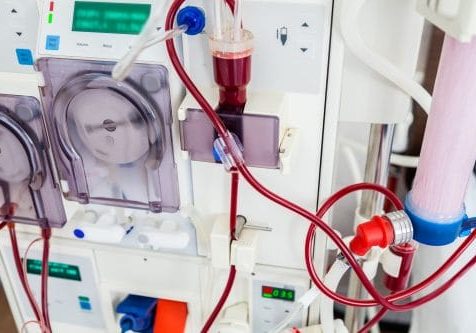
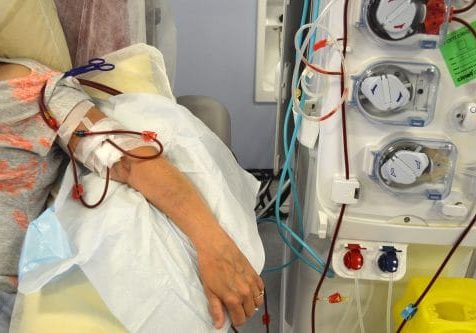
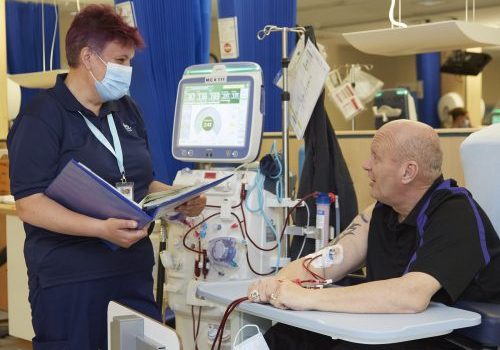
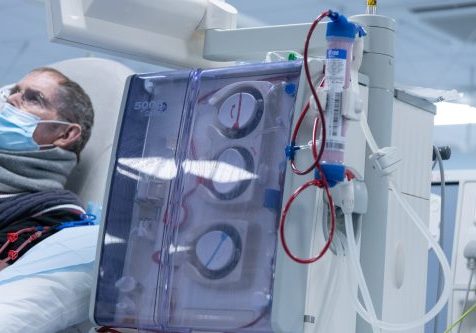
Haemodialysis (HD) uses a machine to clean your blood. The machine takes your blood, uses special filters to remove waste, then returns it. In most cases, a special access point called a fistula is needed which is made by a surgeon who connects an artery to a vein in your arm to make the vessel bigger and stronger for haemodialysis.
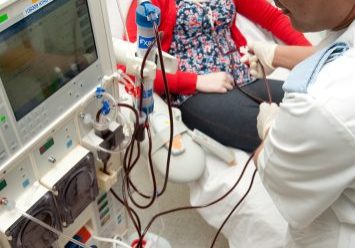
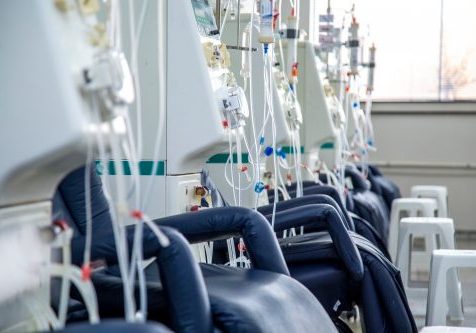
Haemodialysis can be given in hospital, in free-standing dialysis units (often called satellite units), or at home.
Dialysis sessions normally last around four hours and take place three times a week, but this can vary for each patient.
Peritoneal dialysis (PD) uses a permanent tube (catheter) which is placed into your abdomen by a surgeon. This allows a fluid called dialysate to flow in and out. Inside the abdomen, there’s a thin membrane called the peritoneum that covers some of the internal organs.
This creates a space called the peritoneal cavity where the dialysate is added. Waste from the blood passes into the dialysate which is then drained out and replaced with fresh dialysis fluid. These exchanges of dialysis fluid can either be performed three to four times a day, taking about 40 minutes each session, or more commonly overnight using an automated machine while you are asleep.
Peritoneal dialysis is done at home, and it is possible to have daily assistance in setting up the machine (called assisted PD).
Are there side effects of dialysis?
For patients who’ve been on dialysis for some time, tiredness is a common side effect on both types of dialysis. This can be for several reasons including direct effects of dialysis on the body, skin itching, the loss of kidney function, changes in diet needed for dialysis and stress. Many of the symptoms experienced will also be due to other conditions you might have as >50% of dialysis patients will have diabetes or cardiovascular disease.
Haemodialysis can cause low blood pressure, muscle cramps, and an increased risk of sepsis. While peritoneal dialysis carries the risk of peritonitis, an infection of the peritoneal membrane. The strain on the abdominal muscles from holding the dialysate increases the risk of peritoneal dialysis patients developing a hernia, and the sugar contents may make it hard to lose weight.
For more information on the side effects of the two types of dialysis please visit our haemodialysis and peritoneal dialysis pages.
More information about dialysis and treatments
All types of dialysis are life changing and come with side effects and long-term health issues. It's important to choose the treatment that works best for you and your lifestyle.
If you have been told that you have advanced kidney disease or end-stage kidney failure you may have been advised to start thinking about how you would like your kidney disease managed in the future.
Kidney professionals will work with patients and their families to support you in choosing the right dialysis or treatment option for you, and help manage other health concerns.
Find out more about care and treatments for people with kidney failure.
Reviewed August 2025

What dialysis is best for you?
The Dialysis Decision Aid provides balanced information about dialysis treatment options. All these options are equally effective for the vast majority of patients, so the choice should be based on which fits best with your lifestyle.

“Dialysis is a vital, life-sustaining treatment but its impact on brain functions like memory can affect patients’ everyday day lives.”
Professor Susan Francis
Researcher spotlight
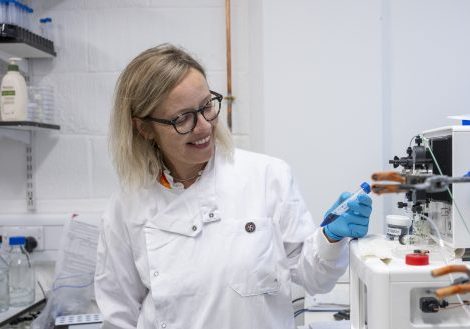
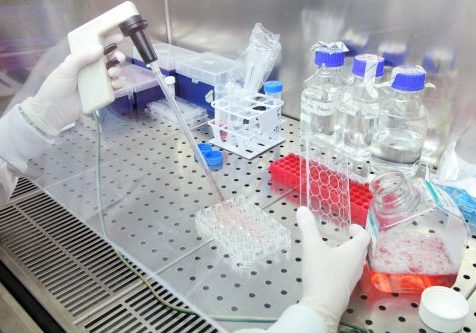
Professor Susan Francis and colleagues from the University of Nottingham are investigating how salt and water levels change in the brain during haemodialysis.
The team will use special types of magnetic resonance imaging (MRI) scans to look at salt and water levels in different parts of the brain in patients before and after haemodialysis to asses the impact it has.
Having a clearer understanding of this could help identify new ways to support patients.







Our life-saving research is only possible with your support.
Save lives.