What is gout?
Gout is a type of arthritis that causes pain and swelling in one or multiple joints.
What are the causes of gout?
Gout is caused by too much of a chemical called uric acid in the blood. Uric acid occurs naturally in the body and usually doesn’t cause any harmful effects. However, if there is too much uric acid in the blood, it can stick together and form small crystals. These crystals often build up in the joints where they can cause pain, swelling and inflammation.
Uric acid is usually lost in urine and poo. If the kidneys are not functioning well, they are less able to get rid of uric acid from the body in the urine, leading to gout.
Gout can run in families and is more common in men, especially as they age.
Other factors that increase the risk of gout include:
- Drinking too much alcohol
- Certain medicines, for example diuretics or blood pressure medicines such as ACE inhibitors
- Living with an overweight or obese BMI
- Perimenopause or menopause
- Certain medical conditions such as high blood pressure, high cholesterol, kidney disease, osteoarthritis or diabetes
- Recent injury or surgery
What are the symptoms of gout?
The main symptoms of gout are:
- Sudden, severe pain in a joint: Gout attacks usually start with severe pain in one joint. Most often, this is in the big toe, but it can also affect the ankles, knees, hands, wrists, or elbows.
- Swelling and warmth in the affected joint: The joint might become swollen, warm to the touch, and there may be noticeable redness in the skin overlying the joint.
You should see your GP urgently or call NHS 111 if you have sudden joint pain and swelling with: increasing pain, a high temperature and feeling sick or being unable to eat. These symptoms could mean the joint is infected which needs urgent medical attention.
How is gout diagnosed?
If a doctor suspects someone has gout, they may do a blood test to measure the level of uric acid.
In some cases, to confirm a diagnosis, the fluid from inside one of the affected joints may need testing. This involves using a thin needle to take a small sample of this fluid to look for crystals.
What are the treatments for gout with kidney disease?
An episode of gout is usually treated with non-steroidal anti-inflammatory (NSAID) medicines, for example naproxen. However, because these medicines can cause kidney damage if taken often, they tend not to be used for people with chronic kidney disease (CKD).
Colchicine is another medicine used to treat gout by reducing inflammation. However, colchicine may not be used in some people with CKD depending on their CKD stage and other medicines they are taking. This is because the kidneys help to remove this medicine in the urine and if the kidneys are functioning less well this could lead to toxic levels of the medicine building up in the body. Colchicine can also interact with other medicines, such as cyclosporine, an immunosuppressant commonly used in patients with transplants, so it may not be suitable for some transplant patients.
Corticosteroids, such as prednisolone, may also be used to treat gout by reducing inflammation and the immune response.
IL-1 inhibitors are another type of medicine that reduce inflammation to treat gout and may be used if the patient can’t have other medicines.
As an alternative to the above treatments, your doctor may suggest an injection of corticosteroids, either into a muscle or joint.
An ice pack on the affected joint may also help to reduce pain. Doctors may also recommend resting, elevating and removing clothing from around the joint.
Certain people, such as those who have frequent or severe episodes of gout, or those with CKD stages 3-5, may be offered medicines to try and lower their uric acid levels to try to prevent future episodes of gout. This approach includes medicines such as allopurinol and febuxostat.
Lifestyle changes can also help reduce the risk of gout and include:
- Following a healthy, balanced diet
- Maintaining a healthy weight
- Avoiding drinking alcohol.
- Staying hydrated by drinking plenty of fluids
- Exercising regularly but avoiding activity that is intense or puts too much pressure on your joints
- Avoiding smoking
References
NHS. Gout [online]. Nhs.uk, England; Aug 2023 [Accessed 11 November 2025]. Available from: Gout - NHS
The Manual's Editorial Staff. Gout [online]. MSD Manual, Merck & Co, Inc., Rahway, NJ, USA; Jun 2025 [Accessed 11 November 2025]. Available from: Quick Facts: Gout - MSD Manual Consumer Version
Willacy, H. Gout [online]. Patient.info, Navigate Health Ltd: London, UK; Jul 2024 [Accessed 11 November 2025]. Available from: Gout: Causes, Symptoms, and Treatment
Tidy, C. Gout [online]. Patient.info, Navigate Health Ltd: London, UK; Jul 2022 [Accessed 11 November 2025]. Available from: Gout | Doctor
NICE. Scenario: Acute gout [online]. Nice.org, England; [Accessed 11 November 2025]. Available from: Scenario: Acute gout | Management | Gout | CKS | NICE
NICE. NSAIDs - prescribing issues [online]. Nice.org, England; [Accessed 11 November 2025]. Available from: NSAIDs - prescribing issues | Health topics A to Z | CKS | NICE
NHS. About colchicine [online]. Nhs.uk, England; Dec 2022 [Accessed 11 November 2025]. Available from: About colchicine - NHS
NICE. Colchicine [online]. Nice.org, England; [Accessed 11 November 2025]. Available from: Colchicine | Prescribing information | Gout | CKS | NICE
NICE. Colchicine [online]. Nice.org, England; [Accessed 11 November 2025]. Available from: Colchicine | Interactions | BNF | NICE
NICE. Scenario: Preventing gout [online]. Nice.org, England; [Accessed 11 November 2025]. Available from: Scenario: Preventing gout | Management | Gout | CKS | NICE
Nigrovic, P. Interleukin 1 inhibitors: Biology, principles of use, and adverse events [online]. Uptodate.com Wolters Kluwer; Mar 2025 [Accessed 11 November 2025]. Available from: Interleukin 1 inhibitors: Biology, principles of use, and adverse events - UpToDate
Reviewed December 2025 by Dr Stuart Stewart, GP.
Our latest research news

Could understanding blood pressure changes during sleep in kidney patients be key to protecting heart and vessel health?
New results suggest that bladder cancer could be caused by the body’s response to common childhood virus
SMC approval of mercaptamine offers new hope and choice for people living with cystinosis in Scotland


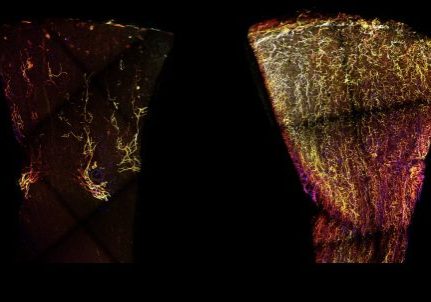

Research looking at repurposing drugs to treat polycystic kidney disease shows promising new results

Personalising treatments for focal and segmental glomerulosclerosis patients receiving a kidney transplant


Our life-saving research is only possible with your support.
Save lives.